DO YOU LOVE CANDLES? Why sitting surrounded by calming candles may not be the stress reliever you think

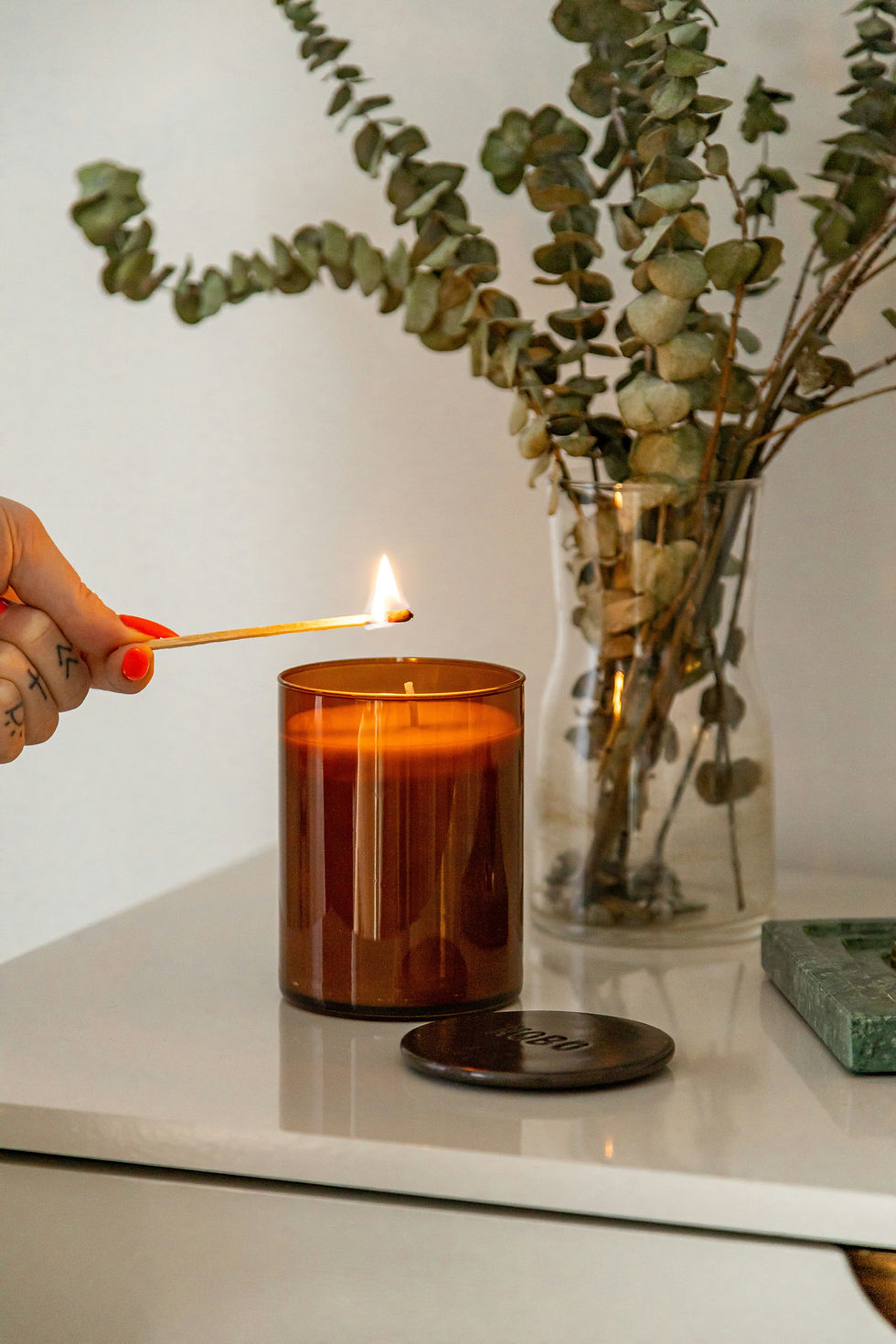
Picture the scene: a few favourite candles glowing softly, a good book or magazine, perhaps some gentle music in the background. The light is warm, the scent comforting — the very definition of relaxation.
But what if I told you that instead of helping you de-stress, those candles might actually be adding to your stress load? That was certainly the case for me.
Rewind a few years…
One Saturday evening, with the children finally asleep, I lit a selection of candles and arranged them carefully in the fireplace. Simple, inexpensive candles — but they looked beautiful, and the vanilla scent felt wonderfully calming. I tuned the radio to something soothing and waited for a friend to arrive for a relaxed catch-up.
When the doorbell rang and my friend Liz stepped inside, the calm vanished instantly.
“What on earth are you doing?” she exclaimed.
“What do you mean?” I laughed.
“Those candles! Do you want to turn your living room into a gas chamber?”

Her reaction startled me — and then embarrassed me — particularly as I was still undergoing treatment for a lung condition at the time. I had spent years talking about the importance of what we eat, yet I’d barely considered what I was breathing in. That moment stayed with me.
So… what are the facts?
Research suggests that some scented candles release pollutants into indoor air, particularly when burned in poorly ventilated spaces. Many of us would never allow cigarette smoke indoors — yet we happily burn heavily fragranced candles in small rooms, often with doors and windows closed.
The key issue is knowing what your candle is made from.
Many conventional candles are produced using paraffin wax, a by-product of petroleum refining. When burned, paraffin can release volatile organic compounds (VOCs), which may irritate the airways and skin, particularly for those with sensitivities such as asthma or eczema.
Wicks are another consideration. While many candles today are advertised as lead-free (particularly those made in the UK and USA), cheaper imported candles may not always meet the same standards. Choosing candles that clearly state they are lead-free is a sensible precaution.
Synthetic fragrances and dyes can also contribute to indoor air pollution, especially in highly scented candles, which tend to produce more soot. These particles are small enough to be inhaled deep into the lungs.
Are there healthier alternatives?
The good news is that enjoying candles doesn’t have to be off the table — it just requires more informed choices.
Some alternatives to look out for include:
Beeswax candles, which burn cleanly, last longer, and are naturally hypoallergenic
Soy candles, though it’s worth being mindful of sourcing and processing
Coconut or plant-based wax blends, which are becoming increasingly available
For fragrance, candles scented with essential oils rather than synthetic perfumes are a gentler option and may offer additional wellbeing benefits for those who enjoy aromatherapy.
Natural colouring is more limited, but some manufacturers use herbs or spices rather than synthetic dyes.
Creating a truly calming space
Candles can absolutely be part of a calming, nurturing environment — but only if they’re chosen thoughtfully. Just as with food, cosmetics, and cleaning products, it pays to look beyond marketing and ask questions about ingredients and sourcing.
I still think of my friend Liz every time I light a natural candle, and I remain grateful for her dramatic “gas chamber” comment — even if it did frighten me at the time. It was a reminder that wellbeing isn’t just about what we do for relaxation, but how we do it.


Comments